


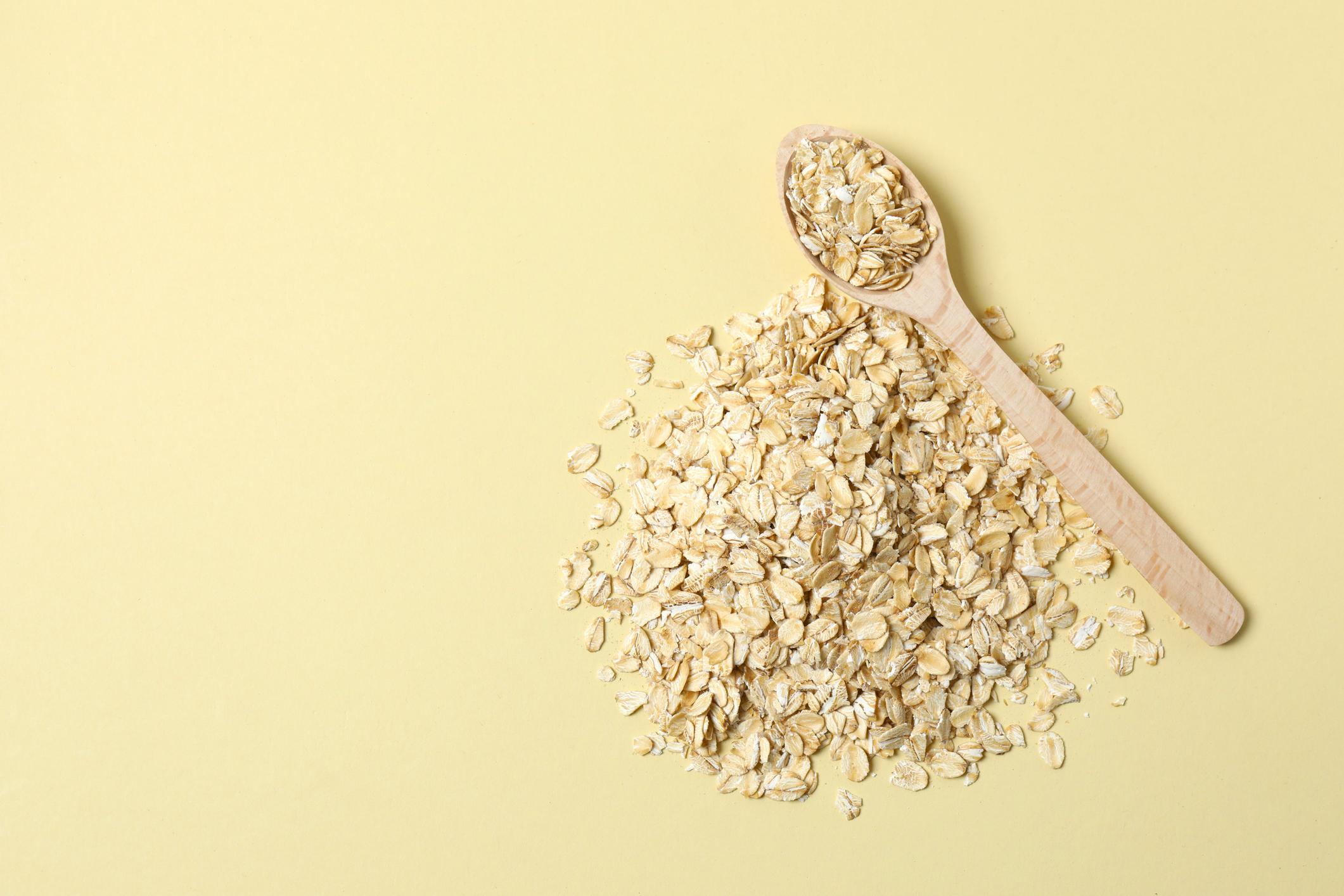
Quick answer: Oatmeal can be a healthy breakfast, but the type matters. Steel-cut and rolled oats raise blood sugar more gently than quick or instant oats, and conventional oats often carry traces of farm chemicals such as glyphosate and chlormequat. Plain, less-processed, organic oats, eaten with protein, are the best everyday choice for most people.
Oatmeal is one of the most common breakfasts I hear about from patients in Lakewood Ranch, Sarasota and Bradenton. It feels warm, simple and safe. For many people it is. But “oatmeal” covers everything from whole oat groats to a sugary instant packet, and what comes along with the oats has been tested more closely in recent years. Here is what the research and independent testing actually show, and how to pick the oats that fit your body.
Every type of oat, from least to most processed
All oats start as the same whole grain, the oat groat. The differences come from how much it is cut, steamed, rolled and pre-cooked. In general, the more an oat is processed, the faster it digests. A 2015 systematic review in the British Journal of Nutrition found that smaller particle size and more pre-cooking raise the blood sugar response.
| Type | How it is made | Cook time | Glycemic index (where measured) |
|---|---|---|---|
| Oat groats | Whole hulled kernel, uncut | 45 to 60 min | Not well studied; likely lowest |
| Steel-cut (Irish) oats | Groats chopped into 2 to 4 pieces | 20 to 30 min | About 55 (low) |
| Scottish oats | Groats stone-ground into a coarse meal | 10 to 15 min | Not separately measured |
| Rolled (old-fashioned) and thick-cut oats | Groats steamed and flattened into large flakes | 5 to 10 min | About 53 (low) |
| Quick oats | Thinner, smaller flakes | 1 to 3 min | About 71 (high) |
| Instant oats and packets | Pre-cooked, dried, cut very thin | Add hot water | About 75 (high) |
| Oat bran | The outer layer of the groat | 2 to 5 min | Not separately measured; very high in fiber |
| Oat flour | Groats ground fine | Used in baking | Depends on the recipe |
Glycemic index values are from the same review, which pooled 72 measurements. Instant values in individual studies ranged widely, and a 2019 randomized trial also found steel-cut oats raised blood sugar less than instant oats.
A few more you will see on the shelf
- Overnight oats are a method, not a type. Rolled oats soak in milk or yogurt instead of cooking. Store-bought cups can carry added sugar, so check the label.
- Sprouted oats are groats allowed to begin sprouting before drying and rolling. Some people find them easier to digest, though research on this is limited.
- Gluten-free oats are grown and handled to avoid wheat, barley and rye. Oats themselves do not contain gluten, but they are at substantial risk of cross-contact. In Gluten Free Watchdog testing from 2011 to 2023, 11% of oat products had measurable gluten, rising to 35% in the drought year of 2022. If you have celiac disease, choose certified gluten-free oats and check with your doctor.
- Organic oats cannot be sprayed with synthetic herbicides or growth regulators, which matters for the residues below. Organic does not protect against heavy metals, which come from soil.
- Oat cereals and granola are the most processed. They have tested highest for glyphosate and often carry the most sugar.
What can come along with oats
None of this means oats are dangerous. It means that if you eat the same oats every single day, it is worth knowing what independent testing has found.
Glyphosate (a weed killer)
Glyphosate is sometimes sprayed on oats before harvest to dry the crop. In 2018 the Environmental Working Group (EWG), an advocacy group, tested oat foods and found glyphosate in 43 of 45 conventional samples, including up to 1,300 parts per billion (ppb) in old-fashioned rolled oats, while an organic rolled oat sample had none detected. When EWG retested in 2022, levels were often much lower, but glyphosate was still found in every conventional sample and about a third were above EWG’s own 160 ppb benchmark.
How much this matters is debated. The World Health Organization’s cancer agency (IARC) classified glyphosate as “probably carcinogenic” in 2015, while the U.S. EPA maintains it is not likely to cause cancer at expected exposures. EPA’s legal limit is far above the levels EWG found. I treat it as a reason to choose organic oats when you can, not a reason to panic.
Chlormequat (a growth regulator)
Chlormequat keeps grain stalks from bending. It is not approved for food crops grown in the U.S., but since 2018 the EPA has allowed it on imported oats. A 2024 study in the Journal of Exposure Science and Environmental Epidemiology found it in the urine of 77 of 96 people tested and in most non-organic oat foods, with little or none in organic products. Animal studies have linked it to reproductive and developmental effects; human effects are not yet known.
Heavy metals such as cadmium
Grains take up cadmium and other metals from soil, so organic status does not help here. When ConsumerLab tested popular oats, none exceeded strict limits for lead, cadmium or arsenic. Since then, an independent tester, Lead Safe Mama, has reported cadmium in some organic rolled oats, which shows that results vary by brand and even by batch. Brands that publish recent heavy-metal tests are worth favoring.
Mold toxins (mycotoxins)
Oats are prone to field molds that make toxins called T-2 and HT-2. A UK survey found them in 93% of raw oats, but cleaning and milling cut levels sharply: oat flakes averaged about a fifth of the level in raw oats. A 2023 Scottish study found them in nearly all conventional and most organic oats, though levels above European guidance were rare. Storing oats cool and dry, and tossing any that smell musty, helps keep new mold from growing at home.
Why oats are still worth eating
Oats are one of the best food sources of beta-glucan, a soluble fiber. The FDA allows a heart-health claim for whole oats because diets with at least 3 grams of oat beta-glucan a day, as part of a diet low in saturated fat and cholesterol, may reduce the risk of heart disease. That is roughly 60 grams (about 2/3 cup dry) of oatmeal or 40 grams of oat bran.
From a Traditional Chinese Medicine view, a warm, well-cooked bowl of oats is gentle on digestion, especially in the morning. Cold, raw or very sweet versions are harder on people whose digestion already runs weak.
How to choose and eat oats
- Pick less-processed oats. Steel-cut or rolled over quick or instant.
- Choose organic when you can, mainly to avoid glyphosate and chlormequat.
- Favor brands that publish testing for glyphosate and heavy metals.
- Skip flavored packets and most granola. Add your own fruit and cinnamon instead.
- Add protein and fat. Eggs on the side, Greek yogurt, nuts or seeds, or a scoop of protein powder slow the rise in blood sugar.
- Rotate breakfasts. Eating oats a few days a week instead of every day spreads out any exposure.
- Store them cool and dry, in a sealed container.
- If you have celiac disease, use certified gluten-free oats.
If you want to see how your own body handles oats, your labs can help. Fasting insulin, A1c and a glucose check one to two hours after breakfast show whether your oatmeal is giving you steady energy or a spike and crash.
The oats I recommend: Zego
When patients ask which oats I buy, my answer is Zego. Here is why:
- Small U.S. farms, no glyphosate. Zego’s oats are grown by U.S. farmers who have agreed by contract not to use glyphosate-based sprays on their crops.
- The cleanest, most transparent heavy-metal testing I have seen. Every batch is tested for heavy metals, glyphosate, mycotoxins and hundreds of other residues, and you can scan the QR code on your bag to see the results for that exact batch.
- Gentler on blood sugar. Zego’s organic, purity-protocol gluten-free oats are grown from a higher-protein variety. The company reports about twice the protein and 20 to 40% more fiber than typical rolled oats, which means a lower glycemic load.
Zego’s oats are cold-processed and raw, so follow the preparation directions on the bag.
Questions we hear
Is oatmeal good for you?
For most people, yes. Plain steel-cut or rolled oats give you soluble fiber that supports healthy cholesterol. Choose less-processed, organic oats and eat them with protein for steadier energy.
Which type of oatmeal is healthiest?
Steel-cut and rolled (old-fashioned) oats have a lower glycemic index, around 53 to 55, than quick or instant oats, around 71 to 75. Oat groats are the least processed of all.
Do organic oats have less glyphosate?
In independent testing, organic oats have generally had little or no glyphosate or chlormequat. Organic does not lower heavy metals such as cadmium, which come from soil.
Are oats gluten-free?
Oats do not contain gluten, but they are often cross-contaminated with wheat, barley or rye. People with celiac disease should choose certified gluten-free oats.
Is instant oatmeal bad for blood sugar?
Instant oats raise blood sugar faster than steel-cut or rolled oats, and flavored packets add sugar. If you use them, choose plain and add protein and fat.
Which marine animal are you? Decode Your Dolphin® is how we read your labs, your symptoms and what I find in the treatment room together, and match them to one of seven metabolic patterns, each named for a marine animal. Take the free quiz to find yours.
If you want help figuring out which breakfasts give you steady energy, book a free 10-minute call with me. We can look at your labs and your routine together.
Keep learning with us: subscribe on YouTube, follow us on Facebook and get our newsletter.