


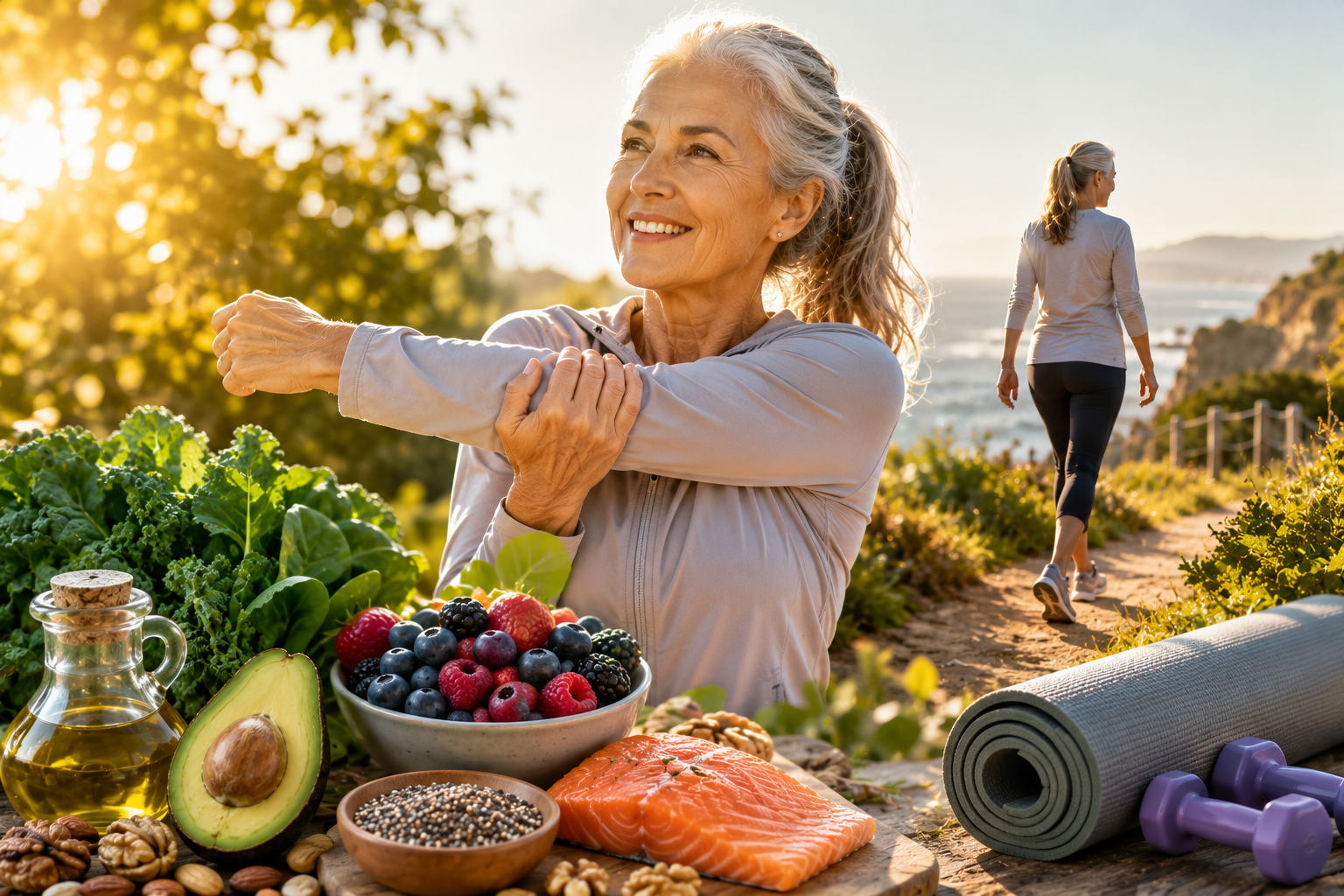
Quick answer: The habits with the strongest evidence for healthy aging are not glamorous: enough protein, regular strength training, daily walking, good sleep, stress recovery, and a diet built around plants, healthy fats and quality protein. What works best for you depends on your metabolism, which is why personalized plans beat one-size-fits-all advice.
Most people think aging starts when they notice wrinkles. In my clinic in Lakewood Ranch, it usually shows up earlier: recovery slows, energy is less reliable, brain fog appears, sleep stops feeling restful, and inflammation builds quietly. That is why I talk about healthspan, how well you live, and not just lifespan, how long you live.
Why some people age faster
Two people the same age can look and feel completely different. Genes play a part, but much of how we age is shaped by habits and metabolism. Common accelerators include:
- Chronic inflammation
- Blood sugar swings
- Poor sleep
- Nutrient gaps
- Digestive problems
- Ongoing stress
- Too little movement
- Environmental exposures
The encouraging part is that many of these can be changed.
Food is information for your cells
Healthy aging comes from consistent eating patterns, not one superfood.
Berries and colorful produce
In the long-running Nurses’ Health Study, women who ate more blueberries and strawberries had slower memory decline, equal to delaying cognitive aging by up to about 2.5 years. Leafy greens and cruciferous vegetables such as broccoli, cauliflower, Brussels sprouts and cabbage add fiber, minerals and plant compounds.
Healthy fats
Olive oil, avocado, walnuts, wild salmon, sardines, chia and flax provide the fats your brain and cell membranes rely on.
Enough protein
Muscle naturally declines with age, and older adults need more protein than younger ones to hold on to it. An international expert group, PROT-AGE, recommends adults over 65 get at least 1.0 to 1.2 grams of protein per kilogram of body weight a day, and more if they are active or ill. Eggs, fish, poultry, legumes and quality meats all count.
Overlooked everyday foods
Eggs for choline, salmon for omega-3s, green tea, fermented foods for the gut, sweet potatoes for steady energy, and nuts and seeds for minerals. Healthy aging does not require perfection. It requires consistency.
Muscle is one of your strongest anti-aging tools
Muscle helps regulate blood sugar and supports strength, balance, mobility and independence. A 2022 meta-analysis in the British Journal of Sports Medicine found 30 to 60 minutes a week of muscle-strengthening activity was linked to a 10 to 20% lower risk of death from all causes, heart disease and cancer. You do not need to become a bodybuilder. Two or three short strength sessions a week make a real difference.
Walking is underrated
Walking supports circulation, heart health, mood and blood sugar. Even a short walk after meals helps: a 2022 meta-analysis found light walking breaks lowered blood sugar and insulin after eating, more than standing did.
Stress and recovery
When stress becomes chronic, cortisol stays high and touches nearly every system, from sleep and digestion to weight and inflammation. The goal is not zero stress. It is better recovery. Without recovery, even a great nutrition plan struggles.
Sleep is the ultimate repair window
During sleep the body regulates hormones, supports immune function, repairs tissue and consolidates memory. Poor sleep is linked to inflammation, metabolic problems and cognitive decline. Protecting your sleep may be one of the best returns on investment for long-term health.
Why personalized nutrition matters
Advice on aging is often contradictory: eat more carbs, eat fewer; fast, eat often. People respond differently because their metabolism is different. Some struggle mostly with blood sugar, others with stress, digestion, thyroid-related fatigue or hormonal shifts. The right plan depends on the person, and your labs and symptoms together show where to start.
Questions we hear
What is the best natural way to slow aging?
The strongest evidence points to the basics: enough protein, strength training a few times a week, daily walking, good sleep, stress recovery, and a diet rich in plants, healthy fats and quality protein.
How much protein do older adults need?
Expert guidance from the PROT-AGE group suggests at least 1.0 to 1.2 grams per kilogram of body weight per day for adults over 65, and more for active people or those with illness.
What is the difference between lifespan and healthspan?
Lifespan is how long you live. Healthspan is how many of those years you spend with good energy, mobility and independence.
Where can I find a healthy aging clinic near Sarasota?
Longevity Wellness Clinic is at 7365 Merchant Ct, Suite 1, in Lakewood Ranch, serving Sarasota and Bradenton. New patients start with a free 10-minute call.
Which marine animal are you? Decode Your Dolphin® is how we read your labs, your symptoms and what I find in the treatment room together, and match them to one of seven metabolic patterns, each named for a marine animal. Take the free quiz to find yours.
If you want a healthy aging plan built around your own labs and metabolism, book a free 10-minute call with me.
Keep learning with us: subscribe on YouTube, follow us on Facebook and get our newsletter.