


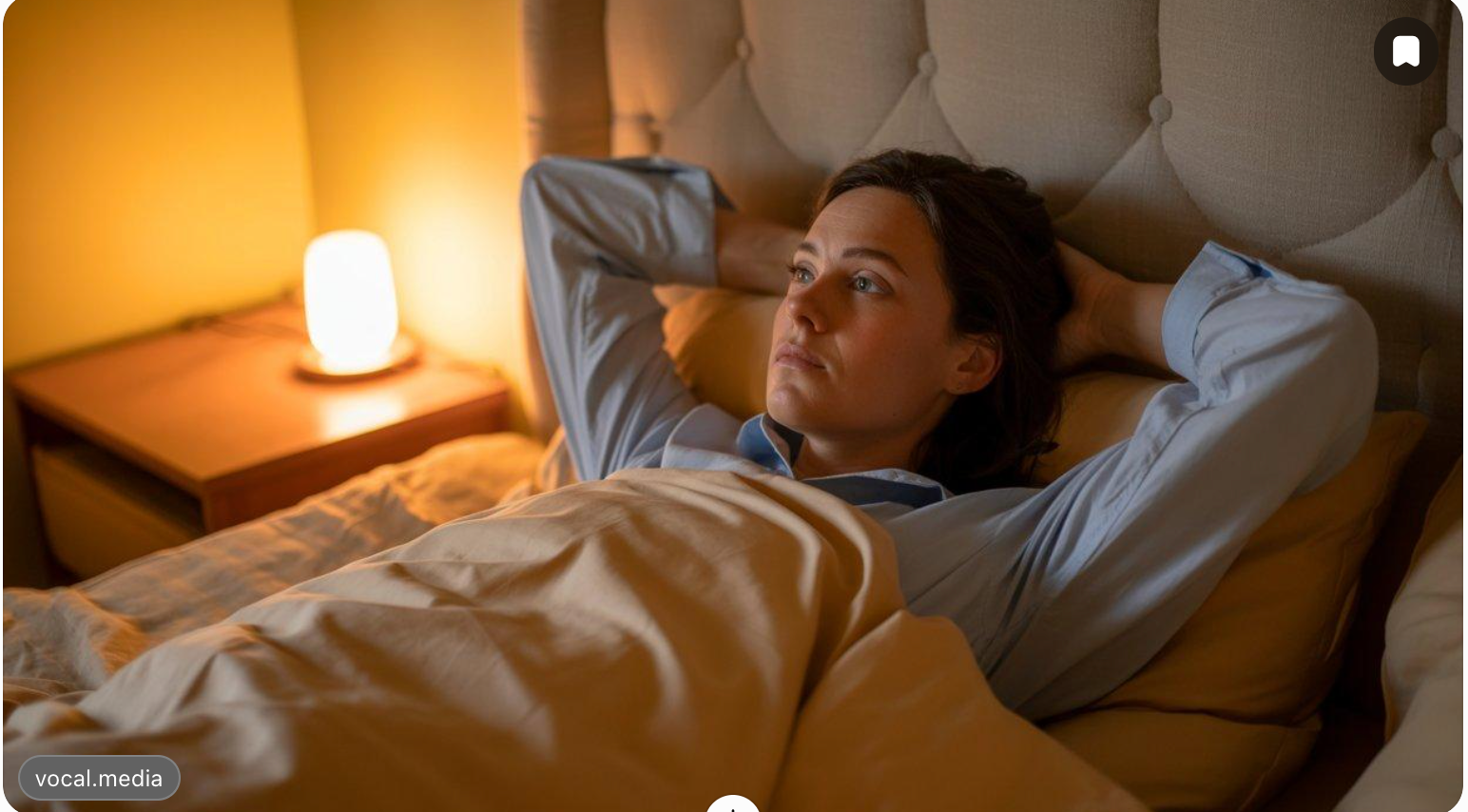
It’s 3:07 a.m. You know because you’ve checked the clock twice.
Your body is exhausted, but your mind has decided this is the perfect time to replay a conversation from Tuesday, plan next week’s groceries, and worry about something that probably won’t matter by Friday.
Sound familiar?
As daylight saving time comes to an end, the clocks will fall back one hour. In theory, that means an extra hour of sleep. But for many people, the seasonal time change brings something entirely different: restless nights, early morning awakenings, and the frustrating feeling of being tired but unable to sleep.
If you’ve been struggling with sleep problems after daylight saving time, you’re not alone.
And here’s something worth remembering: having trouble sleeping isn’t a failure of discipline.
Sleep isn’t something we can force. It’s something we create the right conditions for, then gently allow to happen.
At Longevity Wellness in Lakewood Ranch, Florida, we believe that understanding your body’s natural rhythms is an important part of supporting restful sleep and overall well-being.
Why Does the Time Change Affect Your Sleep?
Our bodies follow a natural 24-hour cycle called the circadian rhythm, which helps regulate when we feel awake and when we become sleepy.
This internal clock responds strongly to light and darkness. Morning sunlight signals that it’s time to wake up, while evening darkness helps the body prepare for rest.
When daylight saving time ends and the clocks move backward, our schedules suddenly shift by an hour. Although the change may seem small, our internal clocks don’t necessarily adjust immediately.
You might notice yourself feeling sleepy earlier in the evening, waking before your alarm, or struggling to maintain your usual sleep routine.
For people who already experience insomnia, stress, or irregular sleep patterns, even a small change can feel significant.
The good news? Our bodies are adaptable. A consistent routine, exposure to natural light, and calming evening habits can help support the transition.
But sometimes, the difficulty isn’t simply about the clock.
It’s about everything our minds and bodies carry into the night.
What Traditional Chinese Medicine Says About Restless Sleep
Traditional Chinese Medicine (TCM) offers a different perspective on why some people struggle to fall asleep or stay asleep.
In TCM, the mind and spirit are described through a concept called Shen.
The Shen is traditionally associated with the Heart system and represents our mental awareness, emotional balance, and sense of inner calm.
During the day, the Shen is active as we think, work, interact, and respond to the world around us.
At night, it needs a peaceful place to settle.
According to TCM philosophy, Blood and Yin help nourish and anchor the Shen. Yin represents the body’s cooling, calming, and restorative qualities, while Blood is traditionally associated with nourishment and emotional steadiness.
When these qualities are considered insufficient or out of balance, the mind may feel restless even when the body is exhausted.
This is one reason TCM practitioners look beyond bedtime habits and consider the whole person, including stress, emotions, digestion, and daily routines.
Why Do You Keep Waking Up Between 1 and 3 A.M.?
Have you ever noticed that you wake up around the same time every night?
Traditional Chinese Medicine uses an organ clock that associates different two-hour periods with specific organ systems.
According to this traditional framework:
- 1–3 a.m. — Liver: Associated with the smooth flow of Qi and emotional regulation.
- 3–5 a.m. — Lungs: Associated with breathing, sadness, grief, and the process of letting go.
From a TCM perspective, waking during these hours may encourage reflection on stress or emotional well-being.
However, waking at a particular hour does not diagnose a Liver or Lung imbalance. Nighttime awakenings can have many causes, including changes in sleep timing, stress, medications, or sleep disorders.
The value of this traditional perspective is that it invites us to pay attention to the connection between our emotions, habits, and rest.
Think of Your Mind Like a Snow Globe
Imagine holding a snow globe that’s been shaken all day.
Inside, tiny flakes swirl in every direction.
You can shake it harder, stare at it, or demand that the snow settle. But none of those things will make it happen faster.
The only way to let the snow settle is to place the globe down and give it time.
Your mind can feel the same way at bedtime.
After a day filled with responsibilities, conversations, decisions, and worries, your thoughts may continue moving long after you’ve turned off the lights.
Trying harder to fall asleep can sometimes make you more frustrated and alert.
Instead, create a little space between the busyness of your day and the quiet of your night.
Dim the lights. Put away your phone. Take a few slow breaths.
You don’t have to solve tomorrow’s problems tonight.
Sometimes, the most helpful thing you can do is allow yourself to be still.
Three Dolphin Types: How Sleeplessness Shows Up Differently
At Longevity Wellness, we use Dolphin types to help explore individual wellness patterns through a TCM-inspired approach.
Not everyone experiences sleeplessness the same way. Some people struggle with racing thoughts, others wake feeling overheated, while some have difficulty maintaining a consistent sleep schedule.
These types are educational wellness descriptions, not medical diagnoses.
1. The Octopus: Wired, Tired, and Wide Awake at Midnight
The Octopus seems to notice everything.
If you’re an Octopus, your mind may become most active precisely when your body needs rest.
You might spend your day feeling drained, only to experience a sudden burst of mental energy at bedtime.
Perhaps you replay conversations, worry about tomorrow, or find yourself making endless mental to-do lists.
In TCM, this pattern may be explored through the idea of an unsettled Shen and imbalances involving Heart and Kidney Yin.
What may help:
Try gentle, rhythmic activities such as tai chi, qigong, or a relaxing walk during daylight hours.
Create a calming evening routine that gives your mind permission to slow down.
If you drink coffee, consider limiting caffeine to the morning, especially if you’re sensitive to its effects.
For the Octopus, the goal isn’t to force the mind into silence. It’s to gradually create an environment where rest feels possible.
2. The Blue Whale: Warm, Restless, and Uncomfortable at Night
The Blue Whale represents someone who may experience nighttime warmth, restlessness, or difficulty staying asleep.
You might wake up feeling hot, kick off the blankets, or notice that your sleep becomes lighter as the night progresses.
In TCM, these experiences may be considered through the concept of Yin deficiency, which traditionally describes an imbalance in the body’s cooling and nourishing qualities.
What may help:
Keep your bedroom comfortably cool and choose lightweight, breathable bedding.
Stay hydrated throughout the day and enjoy balanced meals that include foods such as pears, leafy greens, and sesame.
Avoid overly heavy meals close to bedtime if they make you uncomfortable.
Persistent night sweats or unexplained changes in body temperature should also be discussed with a healthcare professional.
For the Blue Whale, creating a comfortable sleeping environment can be an important part of supporting rest.
3. The Sea Turtle: Cold Feet and a Disrupted Sleep Rhythm
The Sea Turtle thrives on consistency, warmth, and a dependable routine.
If you’re a Sea Turtle, changes in your daily schedule may make it harder to fall asleep.
You might notice cold hands and feet at bedtime or feel particularly sensitive to changes in your environment.
In TCM, this pattern may be explored through the concept of Kidney Yang, traditionally associated with warmth and functional vitality.
What may help:
Maintain a consistent bedtime and wake-up schedule, even on weekends.
Enjoy a warm, nourishing dinner and consider wearing comfortable socks if your feet feel cold.
Some research suggests that warming the feet may support sleep onset for certain people, although results vary.
For the Sea Turtle, small, predictable habits may be more helpful than constantly trying new sleep remedies.
Two Simple Habits to Help You Sleep Better After Daylight Saving Time
You don’t need an elaborate nighttime routine to support better sleep.
Start with two simple habits.
1. Finish Dinner at Least Two Hours Before Bed
Eating a large meal immediately before lying down may cause discomfort, indigestion, or acid reflux, making it harder to relax.
In TCM, this is sometimes discussed through the concept of food stagnation, which is believed to disturb peaceful rest.
Try having dinner at least two to three hours before bedtime when possible.
Choose meals that are satisfying without leaving you uncomfortably full.
If you’re genuinely hungry later, a light snack is perfectly reasonable. The goal isn’t to create strict food rules but to make evenings more comfortable.
2. Get Morning Sunlight Within an Hour of Waking
One of the simplest ways to support your circadian rhythm is to spend time outdoors shortly after waking.
Morning light helps signal to your brain that the day has begun.
Try stepping outside for 10–15 minutes, even if the sky is cloudy.
A gentle morning walk can offer the additional benefits of movement, fresh air, and a peaceful start to the day.
After the clocks fall back, keep your wake-up time consistent and allow your body time to adjust.
If sleep problems persist, particularly if you snore loudly or wake up gasping, speak with your healthcare professional. Chronic insomnia may benefit from cognitive behavioral therapy for insomnia (CBT-I), a recommended first-line treatment.
Rest Is Allowed: Give Yourself Permission to Slow Down
So many of us have learned to treat rest as something we must earn.
We tell ourselves we’ll relax once the emails are answered, the laundry is finished, the house is clean, and everyone else has what they need.
But the work is never truly finished.
There’s always another responsibility waiting.
As the clocks fall back this season, consider receiving that extra hour as a gentle reminder that your well-being matters, too.
Put your phone away a little earlier.
Make yourself a warm cup of caffeine-free tea.
Allow the room to become quiet.
And remember the snow globe.
You don’t have to shake it harder to make the snow settle.
Sometimes, you simply need to set it down.
Find Support for Restful Sleep at Longevity Wellness Clinic
If you’re experiencing restless nights, frequent awakenings, or difficulty relaxing at bedtime, you don’t have to navigate those concerns alone.
At Longevity Wellness Clinic in Lakewood Ranch, Florida, we take a personalized, whole-person approach to wellness, drawing on Traditional Chinese Medicine and supportive lifestyle practices.
Whether you’re exploring ways to manage stress, improve your daily routines, or better understand your individual wellness patterns, we’re here to listen.
Struggling with sleep? Let’s talk.
Book your FREE 10-minute complimentary consultation with Dr. Cynthia Clark and take the first step toward understanding your wellness needs.
Location: Longevity Wellness — Lakewood Ranch, Florida
Book your consultation: https://www.tinyurl.com/LWCRebook
Because restful nights aren’t a luxury. They’re an important part of caring for yourself.
And you deserve that care.